
ACJ Joint Injuries and Dislocations London are increasingly seen among athletes, fitness enthusiasts, and active individuals who participate in high-intensity sports. The Acromioclavicular Joint (ACJ), located at the top of the shoulder, plays a major role in stability and movement. Because of its exposure to impact, sudden force, and repetitive strain, it is highly vulnerable—especially among athletes involved in contact and overhead sports.
Renowned shoulder specialist Mr. Jagwant Singh frequently treats such cases, emphasizing the need for awareness, early diagnosis, and proper rehabilitation.
Understanding ACJ Joint Injuries and Dislocations
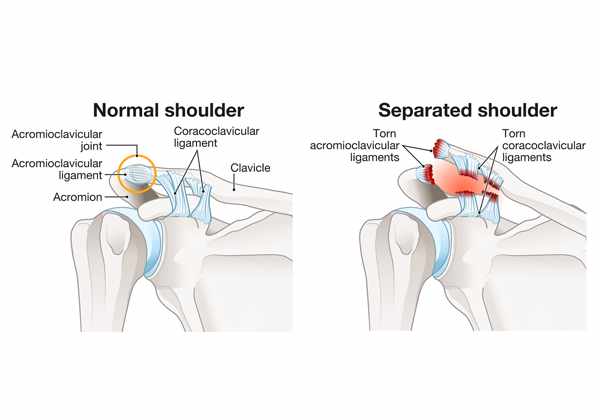
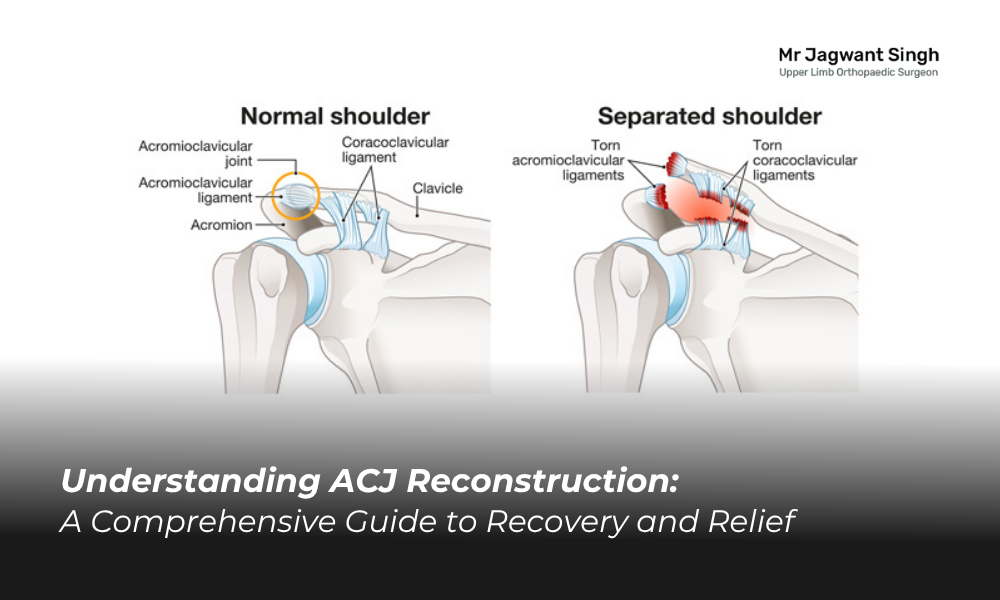
The ACJ connects the acromion (part of the shoulder blade) to the clavicle (collarbone). Any forceful blow, fall, or repetitive overhead movement can injure or dislocate this joint.
The severity varies from mild sprains to complete dislocations where ligaments tear, causing visible deformity and intense pain.
In London, where a large population regularly participates in sports like rugby, football, tennis, cricket, cycling, gymnastics, and weightlifting, the risk of ACJ injuries naturally increases.
Why ACJ Joint Injuries and Dislocations Are More Common in London Athletes
1. High Participation in Contact Sports
London has a massive sports culture. Rugby, football, boxing, and martial arts are extremely popular.
These sports involve:
Direct blows to the shoulder
Tackles and falls
High-impact collisions
Sudden twisting movements
Such actions create the perfect environment for ACJ Joint Injuries and Dislocations London to occur. According to specialists like Mr. Jagwant Singh, rugby players and boxers show the highest incidence of ACJ trauma.
2. Overuse in Overhead Activities
London's tennis, badminton, and cricket communities are very active year-round. In these sports, athletes repeatedly raise their arms above shoulder level.
This causes:
Ligament strain
Joint irritation
Gradual weakening of the AC joint
Repetitive overhead movements increase the likelihood of chronic ACJ injury, even without sudden impact.
3. Increased Gym and Fitness Training
The fitness culture in London is rising rapidly. While gym training benefits overall health, poor lifting techniques often lead to ACJ stress.
Common gym mistakes include:
Heavy bench pressing
Incorrect shoulder workouts
Overloaded barbell training
Poor form during weightlifting
Such mistakes apply too much pressure on the AC joint, leading to sprains, inflammation, and dislocation.
4. Cycling and Road Accidents
London’s busy streets host thousands of cyclists daily. Falls, slips, and sudden brakes can cause direct impact to the shoulder.
Cyclists often land on the side of their shoulder—one of the primary causes of ACJ dislocation.
5. Cold Weather Impact
London’s cold climate stiffens muscles and reduces shoulder flexibility. When athletes train without proper warm-up, the joint becomes more prone to trauma.
Cold-weather sports and outdoor matches further increase the risk of injury.
6. High Competitive Pressure
Professional and semi-professional athletes in London often:
Push their limits
Ignore early symptoms
Train through pain
Overload their shoulders
This combination results in repetitive micro-injuries that gradually weaken the AC joint, making it susceptible to dislocation.
Symptoms of ACJ Joint Injuries
Common signs include:
Pain at the top of the shoulder
Swelling and tenderness
Limited shoulder movement
Pain when lifting the arm
A visible bump or deformity
Difficulty performing overhead tasks
If untreated, the injury can worsen and affect long-term shoulder stability.
Treatment Options in London
Treatment depends on severity:
Non-Surgical Treatment
Rest and immobilization
Ice therapy
Physiotherapy
Pain relief medication
Strengthening exercises
Mild to moderate cases respond extremely well to non-surgical care.
Surgical Treatment
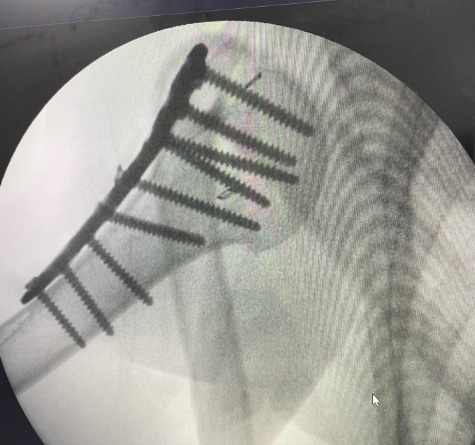
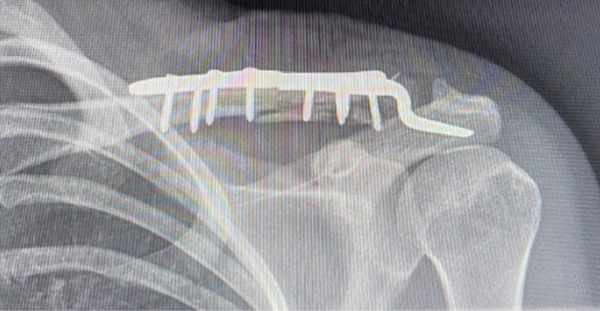
Severe ACJ dislocations may require surgery.
Procedures may include:
Ligament reconstruction
Stabilization of the joint
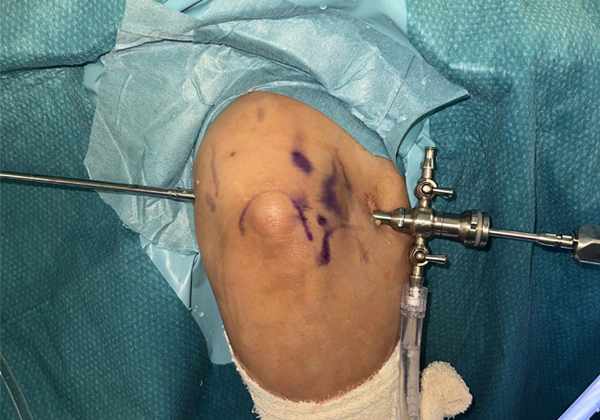
Arthroscopic (keyhole) surgery
Experts like Mr. Jagwant Singh specialize in advanced surgical and non-surgical management of ACJ Joint Injuries and Dislocations London, ensuring faster recovery and long-term joint stability.
How Athletes Can Prevent ACJ Injuries
Warm up properly before training
Strengthen shoulder and upper back muscles
Avoid lifting heavy weights without guidance
Use protective gear during contact sports
Rest adequately between sessions
Consult a specialist at the first sign of pain
Conclusion
ACJ Joint Injuries and Dislocations London are common among athletes due to the city's active sports culture, gym habits, overhead sports, and high-intensity training. With proper awareness, early diagnosis, and specialist-guided care, athletes can return to full performance without long-term complications.
If you experience shoulder pain or suspect an ACJ injury, consulting an expert like Mr. Jagwant Singh ensures accurate diagnosis and effective treatment.



Write a comment ...