
Introduction
Injuries to the acromioclavicular joint (ACJ) are common, especially among athletes and individuals involved in heavy lifting or contact sports. When conservative treatments fail to relieve symptoms, ACJ reconstruction becomes a viable option to restore shoulder function and relieve pain. This blog provides a comprehensive overview of ACJ reconstruction, including causes, procedure, recovery, and what to expect.
What is the AC Joint?
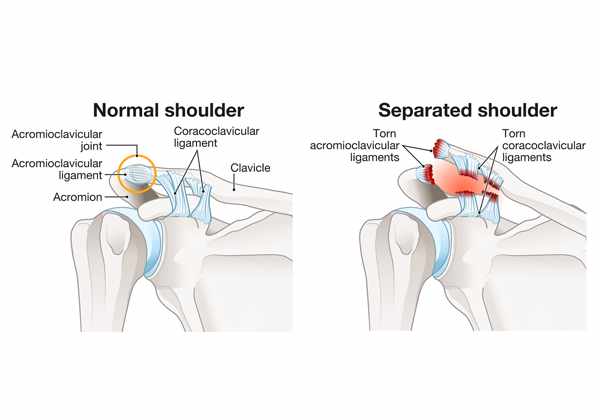
The acromioclavicular (AC) joint is located at the top of the shoulder, where the clavicle (collarbone) meets the acromion (part of the shoulder blade). This joint is essential for shoulder mobility and stability, particularly for overhead and cross-body movements.
Common Causes of AC Joint Injuries
AC joint injuries often occur due to:
Direct impact on the shoulder
Falls onto an outstretched arm
Sports injuries, especially in rugby, football, or cycling
Repetitive strain from weightlifting
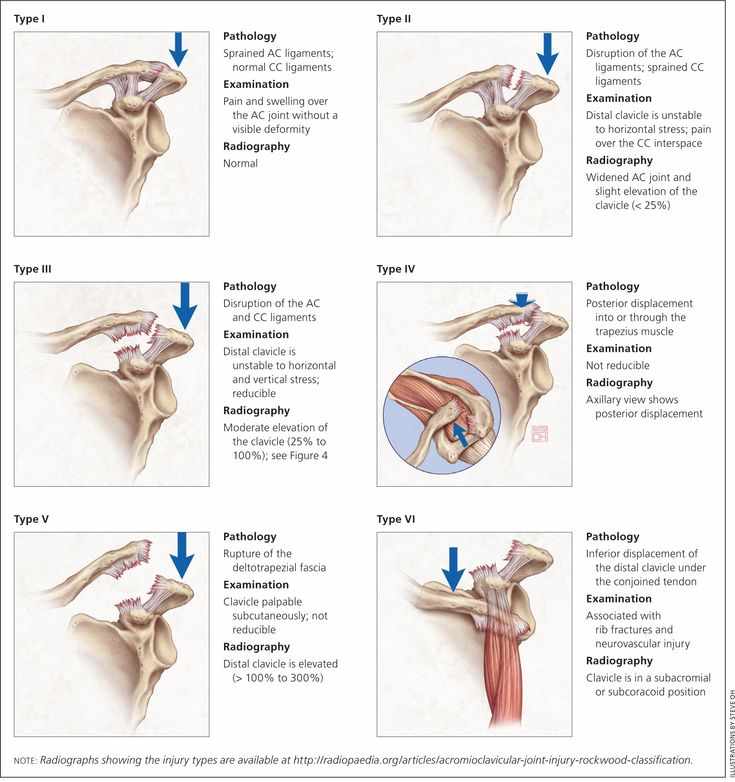
Injuries can range from mild sprains to complete dislocations. Chronic issues like osteoarthritis can also affect the AC joint, causing pain and limiting motion.
When is ACJ Reconstruction Necessary?
ACJ reconstruction is typically recommended when:
There is a severe dislocation (Grade III or higher)
Conservative treatments (rest, physiotherapy, pain relief) have failed
Chronic instability or pain persists
The patient experiences functional limitations in daily activities or sports
The ACJ Reconstruction Procedure
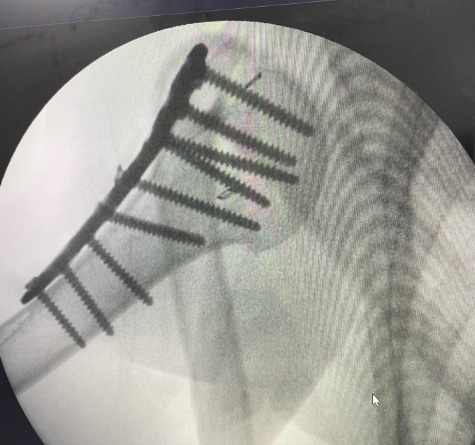
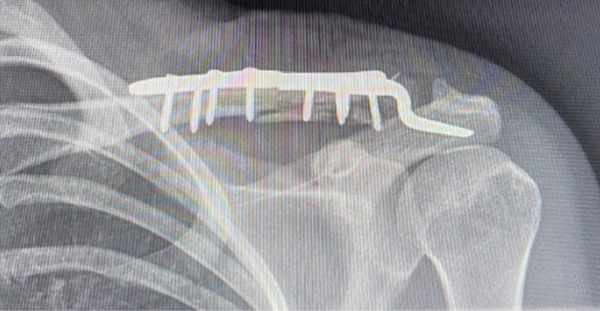
The surgical goal is to stabilize the AC joint and restore its normal anatomy. Techniques vary but may include:
Graft Reconstruction: A tendon graft (from the patient or a donor) is used to reconstruct the coracoclavicular ligaments.
Suture Button Fixation: A button and suture system secures the clavicle to the coracoid process.
Clavicle Resection: Removing a small portion of the clavicle to reduce bone-on-bone contact and relieve arthritis-related pain.
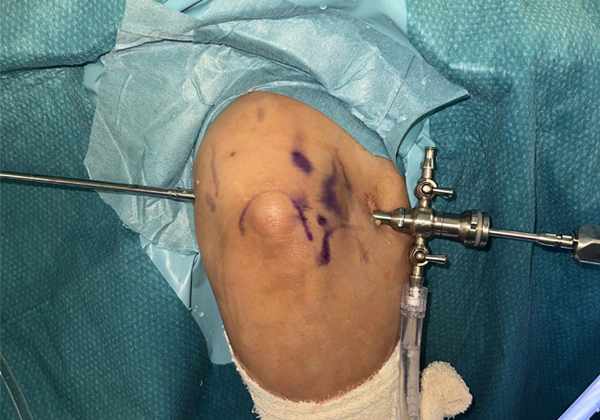
These procedures are often performed arthroscopically, minimizing scarring and promoting faster recovery.
Post-Operative Care and Recovery Recovery from ACJ reconstruction typically occurs in several stages:
Immediate Post-Op (0-2 weeks):
Immobilisation using a sling
Pain management with prescribed medications
Avoidance of arm movements
Early Rehabilitation (2-6 weeks):
Gradual introduction of passive range-of-motion exercises
Continued use of the sling as needed
Intermediate Phase (6-12 weeks):
Active range-of-motion and strengthening exercises
Supervised physiotherapy to regain mobility and stability
Late Rehabilitation (3-6 months):
Advanced strengthening and sport-specific exercises
Return to non-contact sports and daily activities
Full Recovery (6 months+):
Most patients return to full activity, including contact sports
Expected Outcomes
With proper surgical technique and adherence to rehabilitation, patients can expect:
Reduced pain and discomfort
Improved shoulder strength and mobility
Restoration of joint stability
High satisfaction and return to sports or physical work
Risks and Complications
As with any surgery, there are potential risks, including:
Infection
Graft failure or loosening of fixation
Stiffness or limited range of motion
Ongoing pain in rare cases
Your surgeon will discuss these risks and determine if you are a good candidate for the procedure.
Why Choose a Specialist Like Mr. Jagwant Singh?
Choosing an experienced orthopaedic specialist is vital for successful outcomes. Mr. Jagwant Singh, a leading elbow and shoulder surgeon in London, is renowned for his expertise in ACJ reconstruction and complex upper limb surgeries. His patient-centered approach, combined with advanced surgical techniques, ensures optimal results and compassionate care.
Conclusion:
ACJ reconstruction is a reliable and effective surgical solution for individuals with persistent pain or instability in the shoulder due to AC joint injury. Understanding the condition, treatment options, and recovery process empowers patients to make informed decisions about their care. With the guidance of a skilled surgeon like Mr. Jagwant Singh, you can regain shoulder function and return to the activities you love.



Write a comment ...