
Introduction
Fractures can happen suddenly due to accidents, sports injuries, or falls. While some broken bones can heal with simple casting, more complex fractures require advanced surgical treatment. Open Reduction Internal Fixation Surgery (ORIF), often called Internal Fixation Surgery, is one of the most effective methods to realign and stabilize broken bones, ensuring proper healing and restoring mobility.
If you are considering ORIF surgery, this guide will help you understand what it involves, why it is performed, and what to expect during recovery.
What is Open Reduction Internal Fixation Surgery?
Open Reduction Internal Fixation (ORIF) is a surgical procedure used to repair and stabilize severe bone fractures. It consists of two main steps:
Open Reduction – The surgeon makes an incision to access the broken bone and repositions it into its correct alignment.
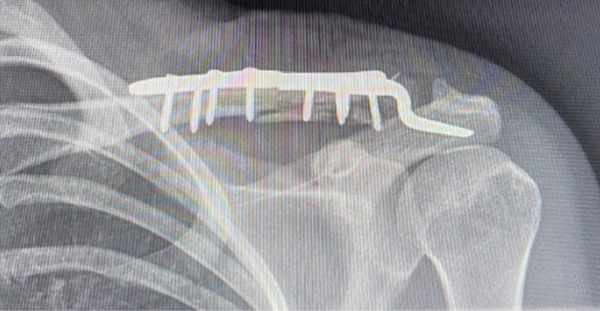
Internal Fixation – Metal implants such as plates, screws, rods, or pins are used to hold the bone in place while it heals.
This combination ensures the bone heals in the correct position, preventing long-term deformities, instability, or loss of function.
When is Internal Fixation Surgery Needed?
Not all fractures require surgery. However, ORIF surgery is recommended when:
The bone is broken into multiple fragments (comminuted fracture).
A fracture is displaced and cannot be aligned properly with a cast.
The fracture involves a joint, such as the wrist, elbow, or ankle.
The broken bone penetrates the skin (open fracture).
Conservative treatments like splinting or casting are not effective.
Types of Implants Used in Internal Fixation Surgery
The choice of implant depends on the type and location of the fracture. Common fixation devices include:
Plates and Screws – Used for stabilizing flat or long bones.
Rods (Intramedullary Nails) – Placed inside the bone canal, often for leg or arm fractures.
Pins and Wires – Commonly used for smaller bones, such as those in the hand or wrist.
Benefits of Open Reduction Internal Fixation Surgery
Choosing Internal Fixation Surgery offers several advantages, including:
Proper alignment of broken bones for accurate healing.
Faster recovery compared to conservative methods.
Better stability and reduced risk of re-fracture.
Restoration of joint function and mobility.
Lower chances of long-term complications like arthritis or deformity.
Recovery After Internal Fixation Surgery
Recovery time varies depending on the severity of the fracture and the patient’s overall health. Key aspects of recovery include:
Hospital Stay – Most patients stay for 1–3 days after surgery.
Rehabilitation & Physiotherapy – Exercises help restore strength and mobility.
Healing Time – Bones generally take 6–12 weeks to heal, but full recovery may take several months.
Follow-ups – Regular check-ups and X-rays are needed to monitor healing.
In some cases, the implants may remain permanently, while in others, they may be removed after complete healing.
Risks and Considerations
As with any surgery, ORIF carries some risks, such as:
Infection at the surgical site.
Blood clots.
Damage to nearby nerves or blood vessels.
Implant-related issues (loosening, irritation).
Delayed or incomplete bone healing.
However, with an experienced orthopaedic surgeon, the risks are minimized, and outcomes are highly successful.
Why Choose a Specialist for Internal Fixation Surgery?
Fracture repair is a delicate procedure that requires precision and expertise. Choosing an experienced orthopaedic surgeon ensures:
Accurate fracture alignment.
Use of the latest surgical techniques and implants.
Personalised rehabilitation plans for quicker recovery.
Long-term restoration of strength and mobility.
Conclusion
Open Reduction Internal Fixation Surgery (ORIF) is a trusted and effective treatment for severe fractures that cannot heal properly with casting or splinting alone. By realigning and stabilizing the bone with advanced fixation techniques, patients can regain mobility and return to their normal activities faster.
If you are struggling with a complex fracture or need expert guidance on Internal Fixation Surgery, consulting with a skilled orthopaedic surgeon is the first step toward recovery.



Write a comment ...