
Shoulder injuries involving the acromioclavicular joint (ACJ), also known as the collarbone, are common—especially in active individuals and athletes. When conservative measures like rest, ice, and physical therapy aren’t enough, it's often time to consider ACJ Reconstruction. In London, patients turn to specialized orthopedic care for expert treatment—led by practitioners such as Mr Jagwant Singh, a highly experienced orthopedic surgeon in London with a focus on upper limb trauma and shoulder repair.
What Is ACJ Reconstruction?
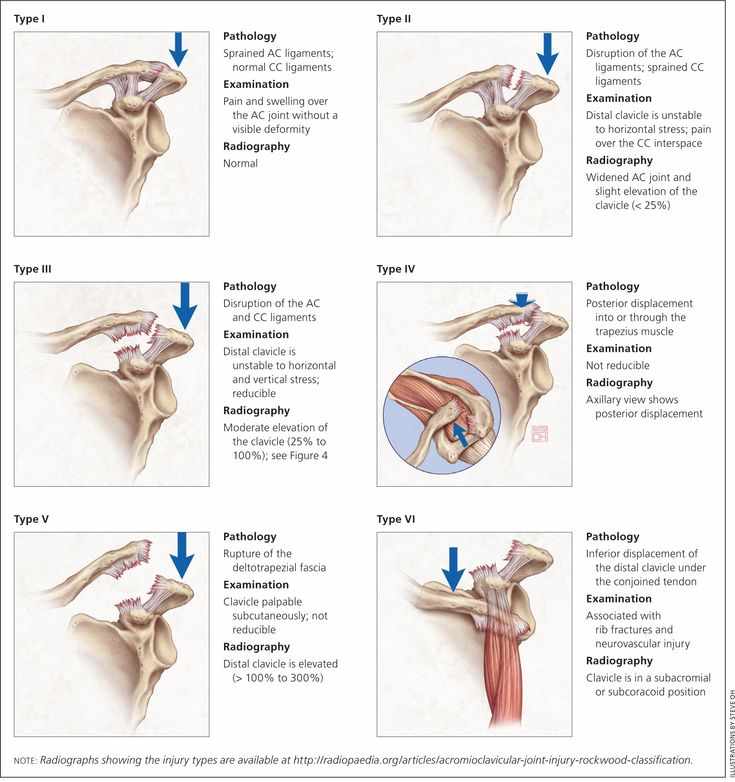
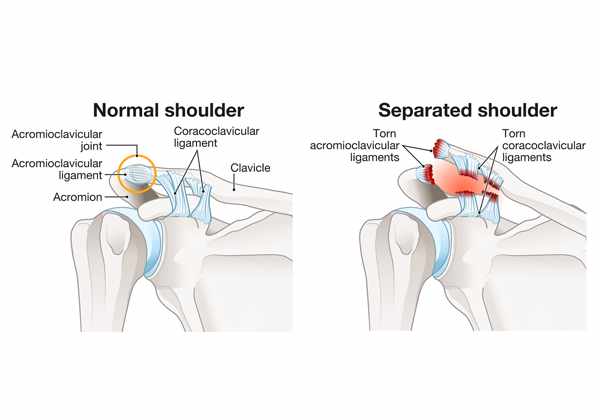
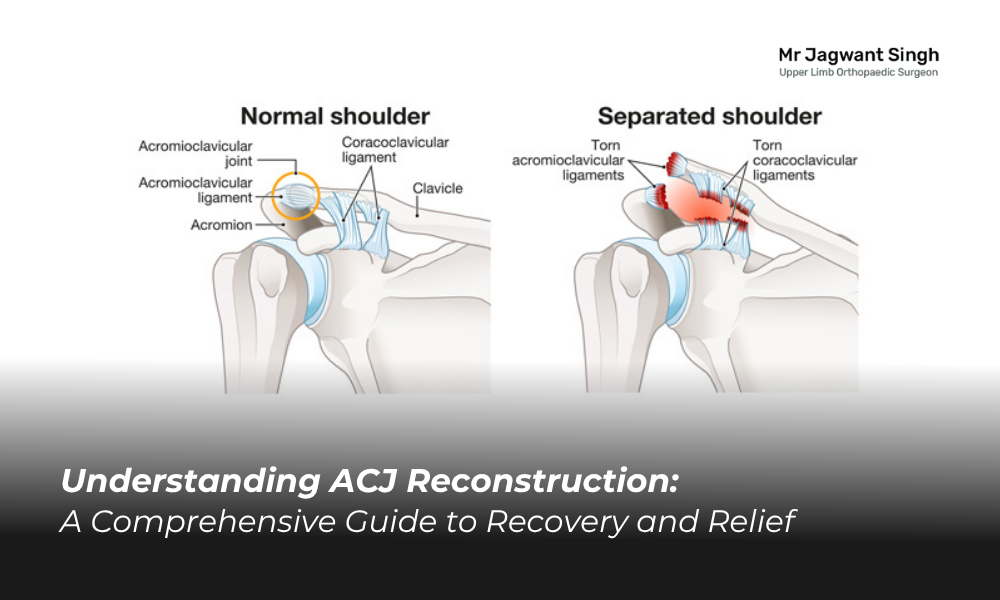
The ACJ sits where the shoulder blade (acromion) meets the collarbone (clavicle). Trauma, particularly trauma from falls or sports, can injure or rupture the ligaments that hold this joint in place. When damage is severe or chronic, ACJ Reconstruction becomes necessary to restore joint stability and function.
During reconstruction, surgeons repair or replace injured ligaments using techniques like tendon grafts or synthetic materials, sometimes with supportive implants for better fixation. The goal is to recreate a stable joint, relieve pain, and allow a return to full shoulder activity.
Symptoms That May Require ACJ Reconstruction
You should consider referral to an upper‑limb specialist or orthopedic surgeon if you experience:
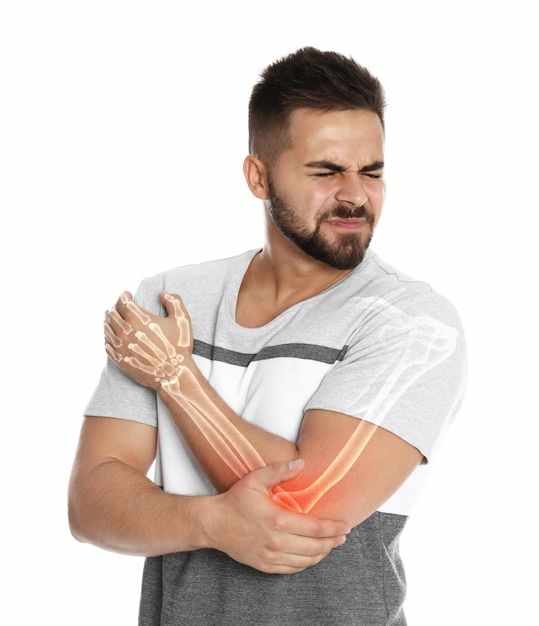
Persistent pain or discomfort at the top of the shoulder
A visible bump or shifted collarbone
Weakness or difficulty lifting your shoulder
Shoulder pain when reaching across your body
Limited function after failed conservative treatment
Why Choose a London Orthopedic Surgeon?
Choosing orthopedic care in London means access to world-class facilities, advanced surgical techniques, and highly specialized surgeons. Mr Jagwant Singh is one such expert—his focus on shoulder and elbow conditions and extensive experience make him a trusted choice.
He has fellowship training in literal excellence in upper limb surgery and is known for combining minimally invasive arthroscopic procedures with robust rehabilitation plans, ensuring optimal outcomes for ACJ injuries.
ACJ Reconstruction Procedure – What to Expect
Pre-operative Evaluation
You’ll undergo detailed assessment including physical examination and imaging (X‑rays, MRI or CT) to determine your injury’s severity.Surgery
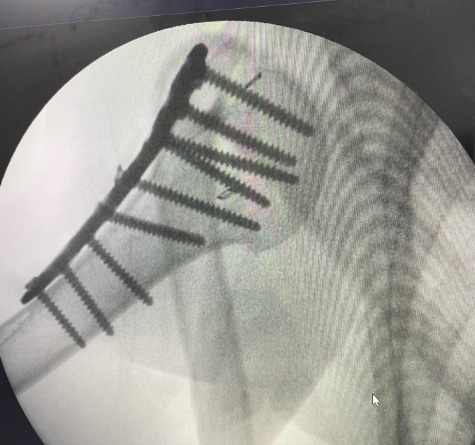
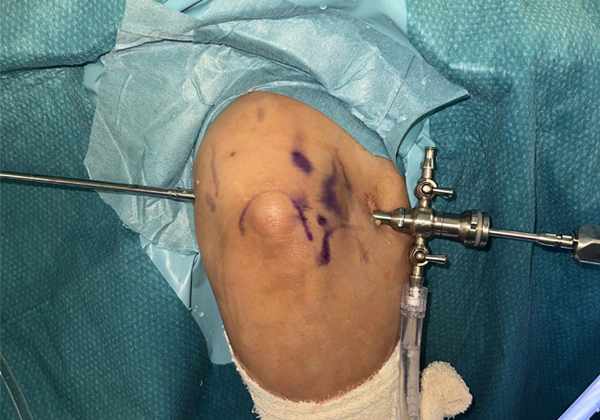
This procedure typically takes around 1–2 hours under general anesthesia. Arthroscopic or minimally invasive techniques are often used, with grafts or sutures securing the joint. Some surgeons may insert small implants or screws for added stability.Post-operative Care
Your arm will be protected in a sling for 4–6 weeks. Pain is managed with medication and ice, while gentle finger and wrist movements help maintain circulation.Rehabilitation
Physiotherapy begins early, focusing first on range of motion and gradually advancing to strengthening exercises. Most patients resume daily tasks within 3 months, with full sports or heavy activity cleared after about 6 months.
Recovery Journey and Timing
Weeks 1–6: Sling use, gentle movement
Weeks 6–12: Gradual return to light activities and physiotherapy
Months 3–4: Regain strength and function
Months 6+: Return to sports or heavy lifting, with surgeon approval
Full recovery depends on the injury’s severity and how closely rehabilitation is followed. London-based surgeons like Mr Singh offer structured protocols to support recovery every step of the way.
Benefits of ACJ Reconstruction
Long-term joint stability
Significant pain reduction
Improved shoulder strength and range of motion
Better ability to return to normal activities and sports
Lower risk of chronic arthritis or deformity in the shoulder area
Risks and Possible Complications
All surgeries carry some risk. With ACJ reconstruction, these may include:
Infection or wound complications
Irritation or issues related to implants
Continued pain or stiffness
Implant failure or need for further surgery
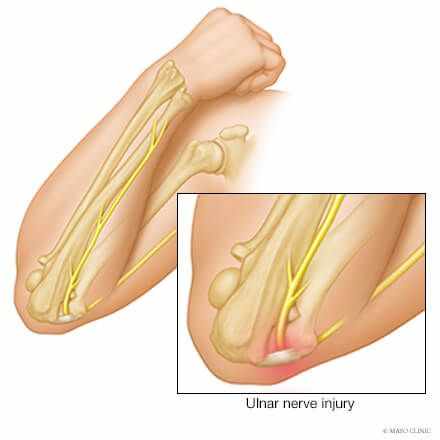
Nerve irritation or injury (rare)
By choosing a skilled orthopedic surgeon in London with ample experience in shoulder reconstruction, such risks are minimized and outcomes are optimized.
Why Consult an Expert?
If you're facing persistent shoulder pain or instability following an ACJ injury, consider seeing a specialist like Mr Jagwant Singh, a leading orthopedic surgeon in London. His fellowship‑trained background in shoulder and elbow surgery, plus track record of successful reconstructions, means you're in expert hands.
He offers comprehensive evaluation, proven reconstructive techniques, and personalized recovery plans designed to help you reclaim full function and comfort.
Final Thoughts
ACJ reconstruction is a transformative procedure for individuals with persistent ACJ injuries that haven’t improved conservatively. By rebuilding the stabilizing structures of the shoulder, this surgery offers lasting comfort, strength, and reliability.
In London, talented orthopedic teams led by surgeons like Mr Singh combine advanced surgical skills with excellent care plans, ensuring you achieve the best possible results.


Write a comment ...